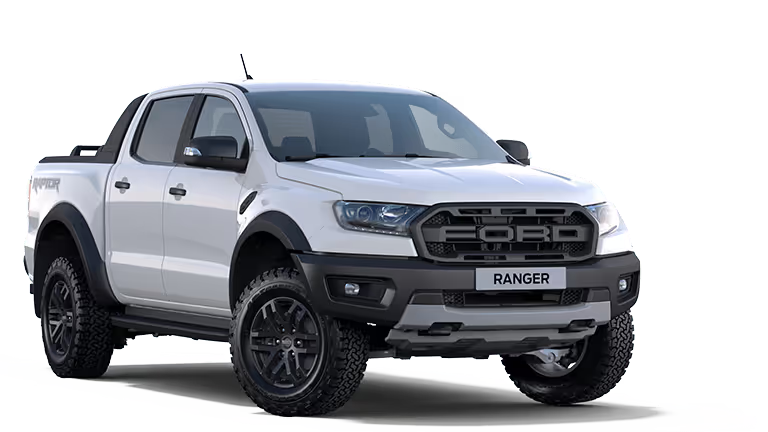
Why Ford 2.0 EcoBlue Wet Belts Fail
The Ford 2.0 EcoBlue wet belt is a timing belt that runs inside the engine oil. When maintained correctly, it can give reliable service, but when oil quality, service intervals or related components are neglected, the risk of wet belt failure increases significantly.
On Ford Transit Custom, Transit and Ranger models, wet belt problems are usually not caused by one single issue. They are normally the result of oil degradation, contamination, incorrect servicing, age, mileage and sometimes vacuum pump or oil system problems working together.
What the Ford 2.0 EcoBlue Wet Belt Does
The Ford 2.0 EcoBlue wet belt forms part of the engine timing system. Its job is to keep internal engine components synchronised so the engine runs correctly.
Unlike a traditional dry timing belt, the wet belt runs inside the engine in oil. This design means the condition of the oil has a direct effect on belt life. If the oil becomes contaminated, acidic or diluted, it can accelerate belt deterioration.
A wet belt does not simply rely on mileage. Oil quality, service history, age and driving conditions all affect the risk of wet belt failure.
The Main Causes of Wet Belt Failure
Long Oil Service Intervals
One of the biggest causes of wet belt failure on Ford 2.0 EcoBlue engines is extended oil service intervals. Manufacturer intervals can be close to 25,000 miles, but many real-world vans do not have an easy life.
Transit Custom, Transit and Ranger models are often used for stop-start driving, heavy loads, towing and short journeys. These conditions can degrade oil much faster than motorway cruising.
As the oil ages, it can collect moisture, soot, fuel dilution and acidic by-products. Over time, this can attack the belt material and increase the chance of cracking, softening, swelling or shedding.
Incorrect Oil Specification
The Ford 2.0 EcoBlue wet belt is sensitive to oil specification. Using the wrong oil can shorten belt life because the belt is constantly exposed to the lubricant inside the engine.
Correct oil is not just about viscosity. The additive package matters too. If the oil is not suitable for a wet belt engine, it may contribute to belt degradation or increase contamination risk.
This is why Wetbelt Factory places strong emphasis on correct oil and filter servicing as part of preventative maintenance.
Belt Debris Blocking the Oil Pickup
As a wet belt deteriorates, small particles of belt material can break away. This debris circulates through the oil system and can collect in the oil pickup strainer.
If the oil pickup becomes restricted, oil flow can be reduced. Poor oil flow can then create a wider lubrication problem throughout the engine.
This is one reason why wet belt failure can become more serious than just a snapped or worn belt. The belt can create contamination before it completely fails.
Vacuum Pump Problems
Another known concern on Ford 2.0 EcoBlue engines is the vacuum pump. If lubrication is poor or oil contamination is present, the vacuum pump can suffer.
In some failure scenarios, the vacuum pump can seize. If this happens, it can place stress on related timing components. This may lead to stripped belt teeth, timing jump and severe engine damage.
This is why a comprehensive approach to the Ford 2.0 EcoBlue wet belt should look beyond the belt itself and consider the health of the surrounding oil-fed components.
Age and Low Mileage Risk
Low mileage does not automatically mean a wet belt is safe. Age also matters because rubber-based belt materials can deteriorate over time, especially if the vehicle has had infrequent oil changes or an unclear service history.
A five-year-old van with low mileage but poor service history may still carry risk. Likewise, a higher-mileage van with frequent oil changes and correct oil may be in better condition than expected.
Why Ford Transit Custom, Transit and Ranger Models Are Affected
The Ford 2.0 EcoBlue wet belt is commonly found in Ford commercial vehicles such as the Transit Custom, Transit and Ranger. These vehicles often work hard, and that working environment can make wet belt maintenance even more important.
Vans used for urban deliveries may experience repeated cold starts and stop-start journeys. Pickups used for towing or carrying weight may put additional load through the engine. Both patterns can accelerate oil degradation.
Wetbelt Factory mainly focuses on Ford 2.0 commercial vehicles, including Ford Transit Custom wet belt replacement, Ford Transit wet belt replacement and Ford Ranger wet belt replacement.
Common Warning Signs of Wet Belt Failure
A failing wet belt may not always give obvious warning signs before serious damage occurs. That is one of the reasons preventative replacement is so important.
Some vehicles may show oil pressure warnings, unusual engine noises, poor running or signs of contamination during servicing. In other cases, the belt can deteriorate quietly until timing is affected.
Wet belt failure can become expensive very quickly because timing problems and oil starvation can damage major internal engine components.
How Oil Changes Reduce Wet Belt Failure Risk
Shorter Oil Intervals Help Protect the Belt
For Ford 2.0 EcoBlue engines, shorter oil and filter intervals are a practical way to reduce risk. Wetbelt Factory commonly advises oil changes around every 6,000 to 10,000 miles, with around 8,000 miles often used as a sensible working interval.
This helps keep the oil cleaner, reduces contamination and gives the wet belt a better environment to operate in.
Correct Oil Matters
The correct oil specification is essential. A Ford 2.0 EcoBlue wet belt is constantly exposed to engine oil, so unsuitable oil can contribute to long-term belt damage.
Regular servicing with the correct oil does not guarantee that wet belt failure can never happen, but it can materially improve the odds.
When Should a Ford 2.0 EcoBlue Wet Belt Be Replaced?
Wetbelt Factory commonly recommends preventative replacement at around 50,000 to 60,000 miles or around 5 years, especially where service history is incomplete or oil intervals have been long.
Some well-maintained vehicles may go further, but the decision should consider age, mileage, oil history, driving style and vehicle use.
Waiting for symptoms is risky because a wet belt failure can quickly lead to timing damage, oil starvation or major engine repair costs.
Why Wet Belt Replacement Involves More Than the Belt
A proper wet belt job often includes more than simply fitting a new belt. Related components and contamination risks need to be considered.
Depending on the package and vehicle, wet belt replacement may involve the belt, tensioner, timing cover, oil and filter service, oil pump belt, sump work, oil pickup cleaning, engine flush and vacuum pump health checks.
This wider approach matters because a new belt fitted into a contaminated oil system may not address the full reason the original belt was at risk.
Summary
The main causes of Ford 2.0 EcoBlue wet belt problems are long oil service intervals, incorrect oil, oil contamination, belt debris in the oil system, age, poor service history and related issues such as vacuum pump stress.
Wet belt failure is best treated as a preventable risk rather than something to ignore until symptoms appear. Shorter oil intervals, correct oil and timely replacement around 50,000 to 60,000 miles or 5 years can help protect Ford Transit Custom, Transit and Ranger engines from expensive damage.